Edge Vision for
Livestock Health
An on-device computer vision system for real-time cattle identification, counting, and early illness detection. Built from scratch by an independent research team from Italy — hardware, software, and models all in-house.
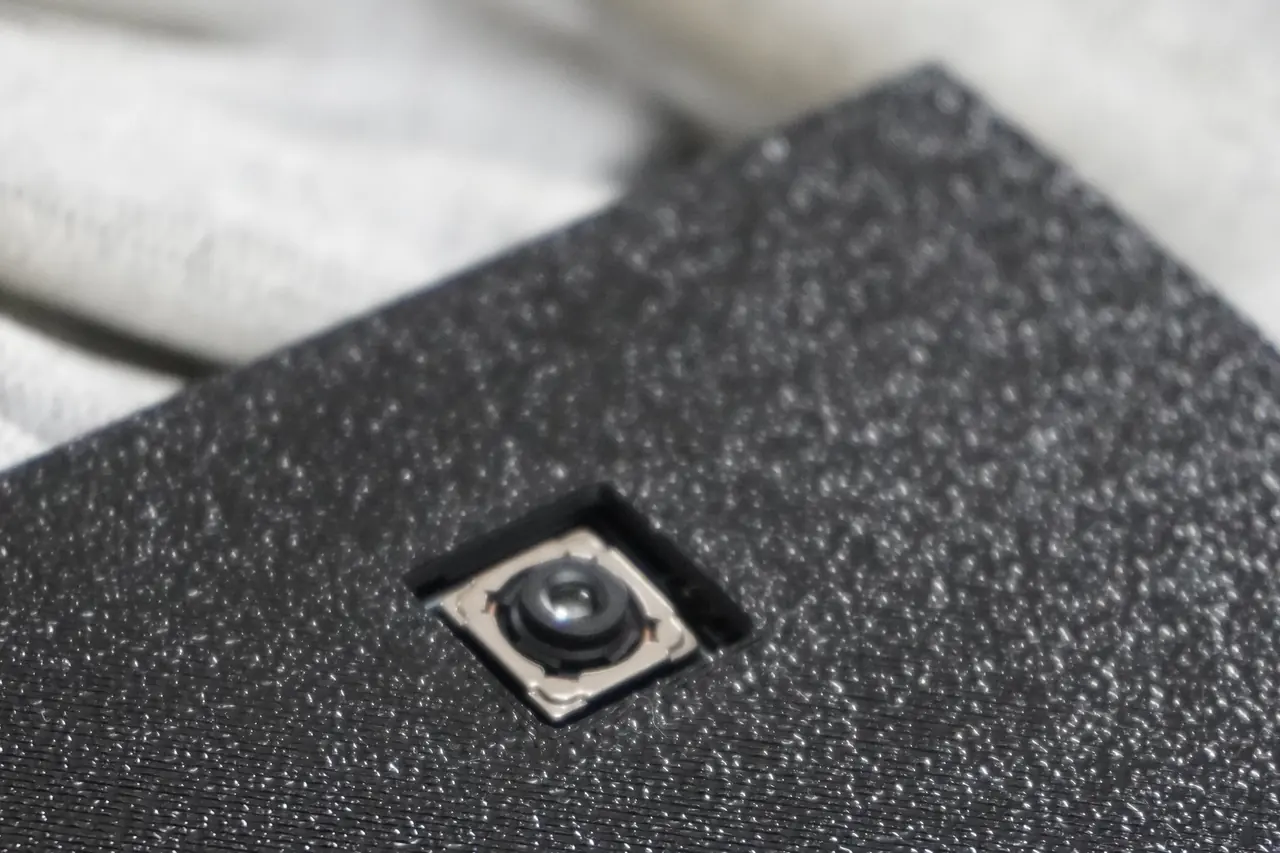
The system
How it works.
Image acquisition
The system captures video frames from a camera mounted in the livestock environment. Designed to handle variable lighting, movement, and outdoor conditions through diverse training data.
On-device AI
A custom-trained YOLO V8 model runs directly on the Arduino UNO Q. Each frame is processed locally in real time — no network connection required, no data sent to the cloud.
Detection & alert
The system identifies individual animals, tracks headcount, and flags potential health anomalies. Farmers get actionable information without needing to monitor manually.
Technical challenge
Real constraints,
real solutions.
The biggest challenge has been working within the hardware constraints of the UNO Q. RAM and CPU are the main bottlenecks — running a vision pipeline on a board with those limitations requires every component to be as lean as possible.
Our approach has been straightforward: test, optimize, test again. We have been continuously refining the software, cutting overhead where possible and reworking parts that are too resource-heavy. There is no shortcut — it takes time and patience.
On the model side, dataset composition is central to reliability. The more varied and representative the training data, the more robust the model becomes across real-world conditions — lighting changes, animal movement, weather. These are handled at the data level, not patched at inference time.
The whole system is housed in a custom 3D printed enclosure designed entirely in-house, built around our specific requirements rather than off-the-shelf solutions.
Hardware
Built for the field.
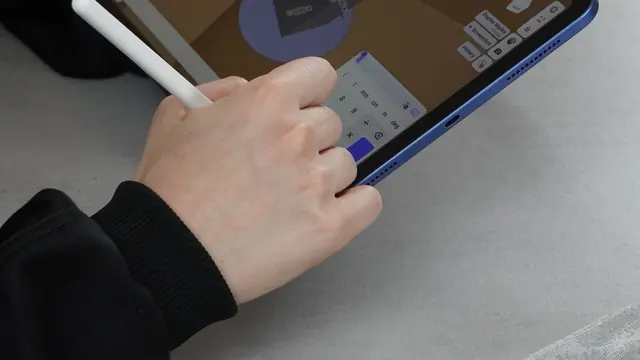
Core processor
Arduino UNO Q
The central board everything runs through. Running Linux on a compact, affordable platform makes field deployment realistic without the cost and bulk of traditional edge compute hardware. Limited RAM is the main constraint we optimize around.
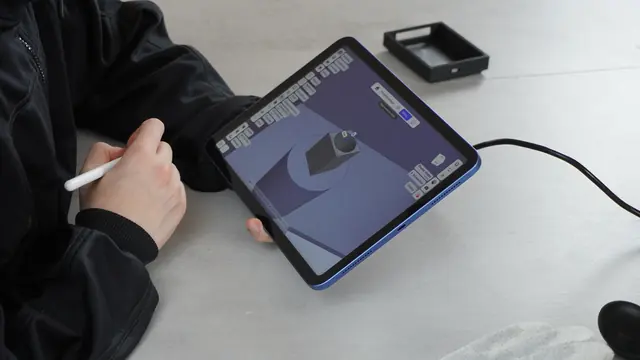
Custom enclosure
In-house CAD Design
The system lives in a custom 3D printed enclosure designed entirely by us — not an off-the-shelf solution. Every dimension is built around the specific hardware layout and field requirements of the project.
Looking ahead
What comes next.
The UNO Q has gotten us far, but the constraints are real. The Arduino Ventuno Q — with 16 GB of RAM, a dedicated AI accelerator, and substantially better specs — would change things significantly. The kind of inference we currently optimize around would simply not be a problem anymore.
Beyond hardware, we are building toward a system that could genuinely change how small and medium farms operate: automated monitoring running silently in the background, flagging issues before they become costly problems.
We are students. We have a math test tomorrow. And we are going to keep building anyway.
"Three months in, we have learned more from actually building this than we could have from any classroom."— Blue Proton Initiative
Interested in the project?
We're open to collaborations, partnerships, and conversations
with people who share our drive to build real things.